
How to Look Busy Without Doing Anything Useful
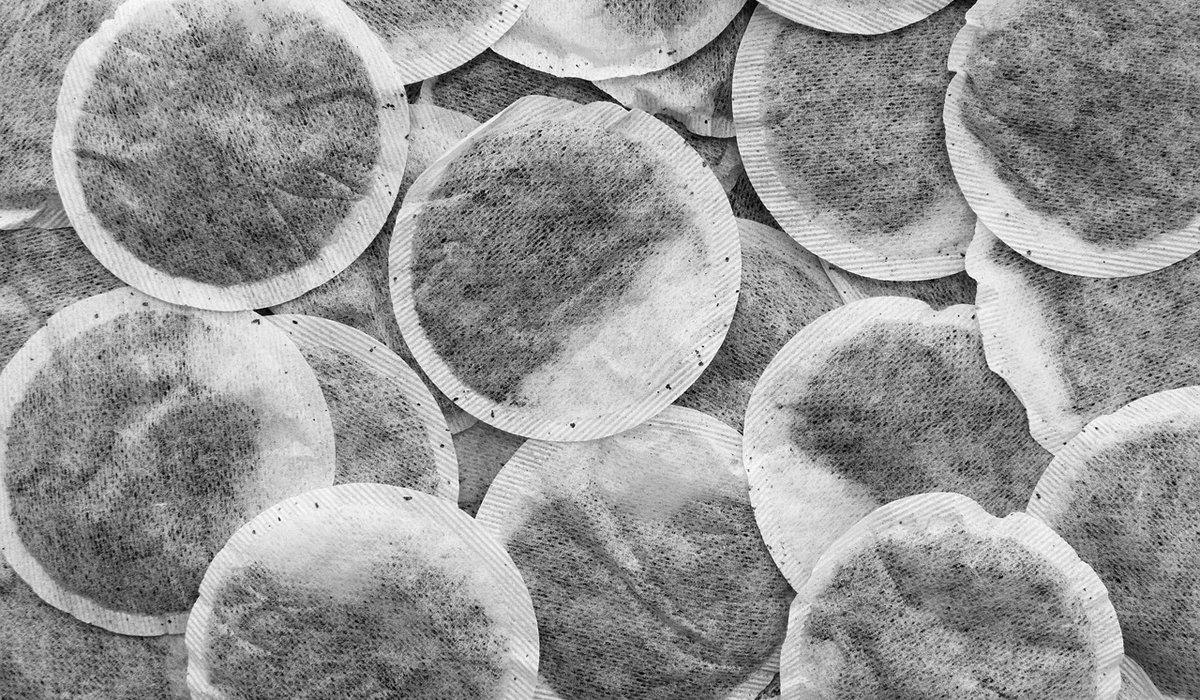
There is no more honest mirror in British life than a mug of tea. You can polish an online profile for hours, curate your opinions, and present a version of yourself that is calm, organised and endlessly reasonable. Then the kettle clicks off at half seven in the morning, and the truth comes out in about ninety seconds. Every small decision — the squeeze, the splash, the waiting — is a quiet confession of character. So put the kettle on, and let's have a proper look at what your brew says about you.
The Kettle Test: What You Do in the First Thirty Seconds
Before the tea even exists, there is the water, and the way you treat it tells a story. The person who fills the kettle to exactly the two-cup line is a planner: efficient, slightly pleased with themselves, probably the same person who does a weekly meal plan. The one who fills it to the top "just in case" is an optimist with a reckless attitude towards the electricity bill, and possibly three unannounced guests in their future.
Then there is the switching on. If you press the kettle before you have decided whether you actually want tea, you are a forward thinker who likes options. If you stand and watch it, you are a worrier — and you have not yet accepted that a kettle, unlike a watched pot, will boil perfectly well without your supervision. And if you own a stove-top whistling kettle, you have made a deliberate lifestyle choice, and you would like everyone to know about it.
The Dunker's Dilemma
The teabag is where character really shows. The impatient dunker — bag in, two brisk stirs, bag out — is decisive, restless, and has somewhere to be. They make quick decisions and occasionally regret them. The ceremonial brewer sets a timer, or at least glances at the clock, because four minutes means four minutes and there is no negotiating with a good cup of tea.
Watch for the squeeze. Someone who presses the bag hard against the side of the mug with the back of a spoon wants maximum return on everything in life, and is not sentimental about how they get it. The person who never squeezes believes in gentleness, in letting things steep in their own time, and will quietly accept a weaker cup rather than make a fuss.
And then there is the one who leaves the bag in the mug entirely, fishing it out with a finger at the last moment. This person lives close to the edge, has a strong constitution, and cannot be trusted to follow a recipe.
Milk In First, or Milk In Last?
This is the great dividing line of British domestic life, and both sides are convinced they are right. Milk first is the traditionalist — methodical, respectful of ritual, likely to own an actual teapot and a small strainer that only gets used at Christmas. Milk last is the pragmatist: you need to see the colour before you commit, and you are not about to ruin a decent cup on principle.
Pay attention to the vocabulary, too. A splash of milk suggests someone breezy and approximate. A dash suggests precision without fuss. Someone who produces a milk jug for a single mug of tea runs a tight ship, has strong opinions about how visitors are served, and has probably labelled a shelf in the garage.
And a person who takes it black is not being difficult, they are simply unbothered by the crowd — a trait worth admiring, even if you privately think they are missing the point.
The Biscuit Protocol
If tea is the soul, the biscuit is the conscience. The full ceremony — opening the tin, surveying what is on offer, considering for a moment, then choosing — reveals a person who believes small pleasures deserve proper attention. Your choice matters:
- Plain rich tea: understated, disciplined, quietly capable. You are the person everyone rings in a crisis.
- Custard cream: loyal and nostalgic. You have kept the same friends since school and you still send birthday cards.
- Ginger nut: bold, a little brash, inclined to say the thing everyone else was thinking.
- Chocolate digestive: a comfort-seeker. Today has been long, and you have earned this.
Then watch the dunking. The quick in-and-out is a careful risk manager. The long soak with a rescue at the last second is a gambler who enjoys living near the edge. And the person who lets half the biscuit dissolve into the mug and drinks it anyway is forgiving, philosophical, and almost certainly a parent.
How You Make Tea for Other People
This is the real examination, and most of us are quietly being marked. Remembering that someone takes it strong with one sugar, no milk, is a small act of love performed daily without thanks. Asking "how do you take it?" every single time is polite but never quite listening. And making a round without being asked — going down the line, collecting mugs, returning with all of them at once — is the sort of thing that holds entire households, offices and families together.
There is also the order in which you make them. If you make your own first and let it go cold while sorting everyone else out, you are generous to a fault. If you make yours last, you are a rare and admirable creature.
Your Mug, Your Rules
Finally, the mug itself. The chipped favourite that has survived four house moves and two jobs is loyalty made ceramic. The matching set suggests someone who likes things tidy and knows where the coasters live. The mug bought on a rainy weekend in a seaside town is a person who collects memories rather than things — although they are technically also collecting things.
And if you reheat a forgotten cup in the microwave, you are a pragmatist above all else, probably busy, probably needed elsewhere, and not prepared to waste a good brew on ceremony. Whatever your ritual, the fact that you have one at all says something rather lovely: you have built a small, repeatable kindness into your day, and you return to it without fail.
LEAVE A COMMENT